





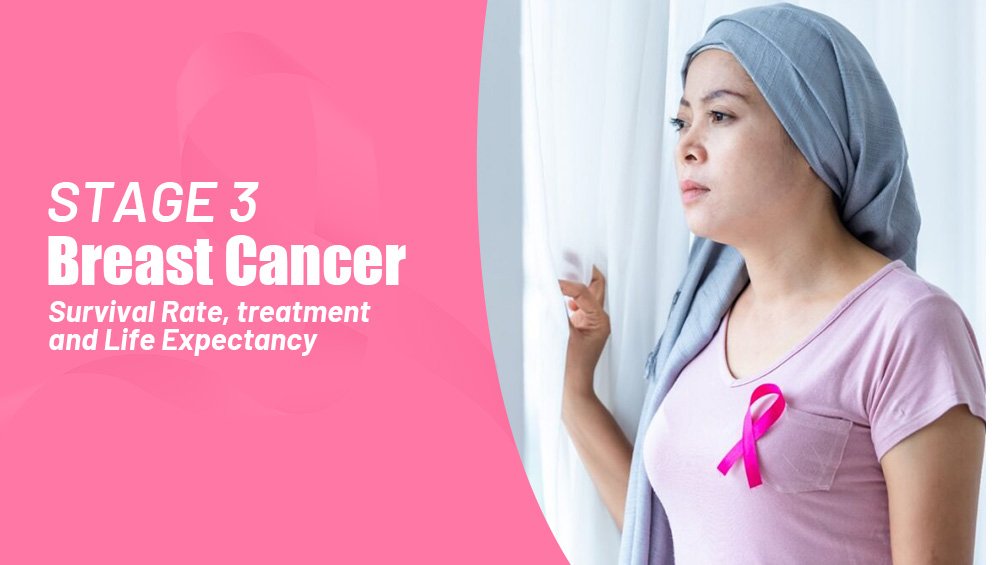
Stage 3 breast cancer is a locally advanced stage of breast cancer where cancer has spread beyond the breast to nearby lymph nodes, muscles, or skin, but has not spread to distant organs. This is an aggressive but treatable stage of breast cancer. It is broken down into three sub-stages, labelled 3A, 3B, and 3C, depending on the size of the affected lymph nodes, the number of lymph nodes that are impacted, and the degree to which the tumour has spread.
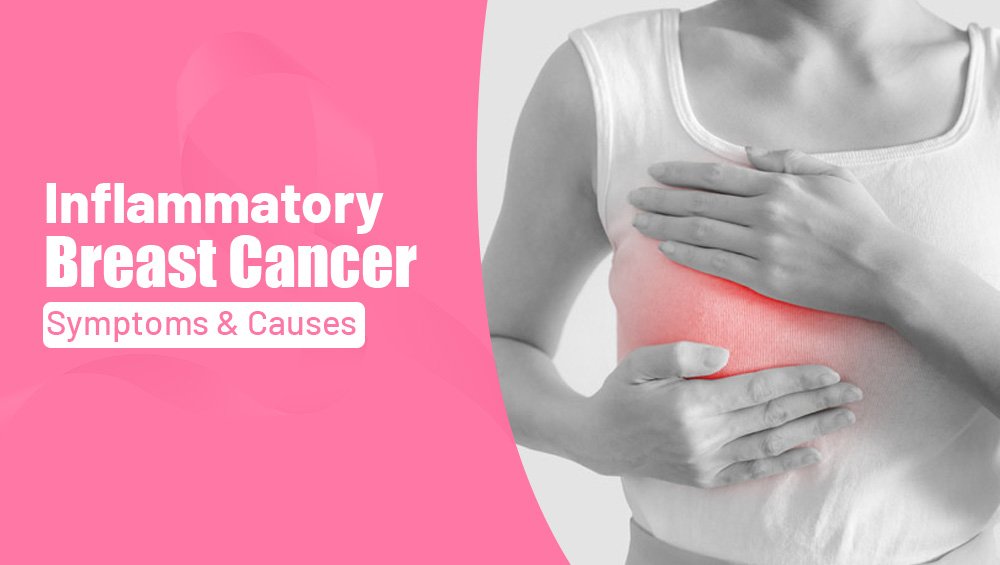
In stage 3A, the tumour in the breast is usually larger than 5 centimetres, and cancer cells are found in 4-9 axillary lymph nodes or in the lymph nodes near the breastbone. In stage 3B, the tumour may be of any size, and cancer has spread to the chest wall or skin of the breast, causing ulceration or swelling. In stage 3C, cancer cells have spread to the lymph nodes above or below the collarbone, or to the lymph nodes in the armpit, behind the breastbone or close to the neck.
Stage 3 breast cancer is considered locally advanced, meaning that cancer has spread to nearby tissues and organs, but has not yet spread to distant parts of the body. Treatment for stage 3 breast cancer typically involves a combination of surgery, radiation therapy, chemotherapy, and targeted therapy, and the goal is to eliminate cancer or control its growth as much as possible.
What is the survival rate for stage 3 breast cancer?
The survival rate for stage 3 breast cancer varies depending on several factors, including the size and location of the tumour, the number of lymph nodes affected, the type and grade of cancer, and the age and overall health of the patient.
According to the American Cancer Society, the 5-year relative survival rate for women with stage 3 breast cancer is about 72%. This means that, on average, about 72% of women with stage 3 breast cancer are alive 5 years after diagnosis. However, it is important to note that survival rates are estimates based on large groups of people, and individual outcomes may vary.
It’s also important to note that with advances in breast cancer treatment, survival rates for stage 3 breast cancer have improved over the years. Early detection, personalized treatment, and follow-up care can all improve the chances of survival and long-term health for women with stage 3 breast cancer.
What is the life expectancy for stage 3 breast cancer?
It is not possible to provide a specific life expectancy for an individual with stage 3 breast cancer, as life expectancy can vary based on a variety of factors including the patient’s age, overall health, the stage and extent of cancer, and the effectiveness of the treatment.
Survival rates are often used to give an estimate of the likelihood of survival for a group of people with a particular type and stage of cancer, but they cannot predict the individual outcome for any one person. The survival rate for stage 3 breast cancer is around 72% at 5 years, but this is just an estimate based on population data and does not necessarily reflect the prognosis for any individual patient.
Patients with stage 3 breast cancer need to work closely with their healthcare team to develop an individualized treatment plan and to discuss their prognosis and any concerns they may have about their life expectancy. In addition, many people with stage 3 breast cancer are able to live long and fulfilling lives with appropriate treatment and follow-up care.
What is the treatment for stage 3 breast cancer?
The treatment for stage 3 breast cancer typically involves a combination of surgery, radiation therapy, chemotherapy, and targeted therapy. The specific treatment plan may vary depending on factors such as the type and size of the tumour, the number of lymph nodes affected, and the patient’s overall health and preferences.
Surgery: Depending on the size and location of the tumour, a surgeon may perform a lumpectomy (removal of the tumour and a small amount of surrounding tissue) or a mastectomy (removal of the entire breast). In some cases, surgery may also involve the removal of nearby lymph nodes.
Radiation therapy: This involves using high-energy X-rays or other types of radiation to kill cancer cells. Radiation therapy may be used after surgery to destroy any remaining cancer cells and reduce the risk of recurrence. It may also be used before surgery to shrink the tumour and make it easier to remove.
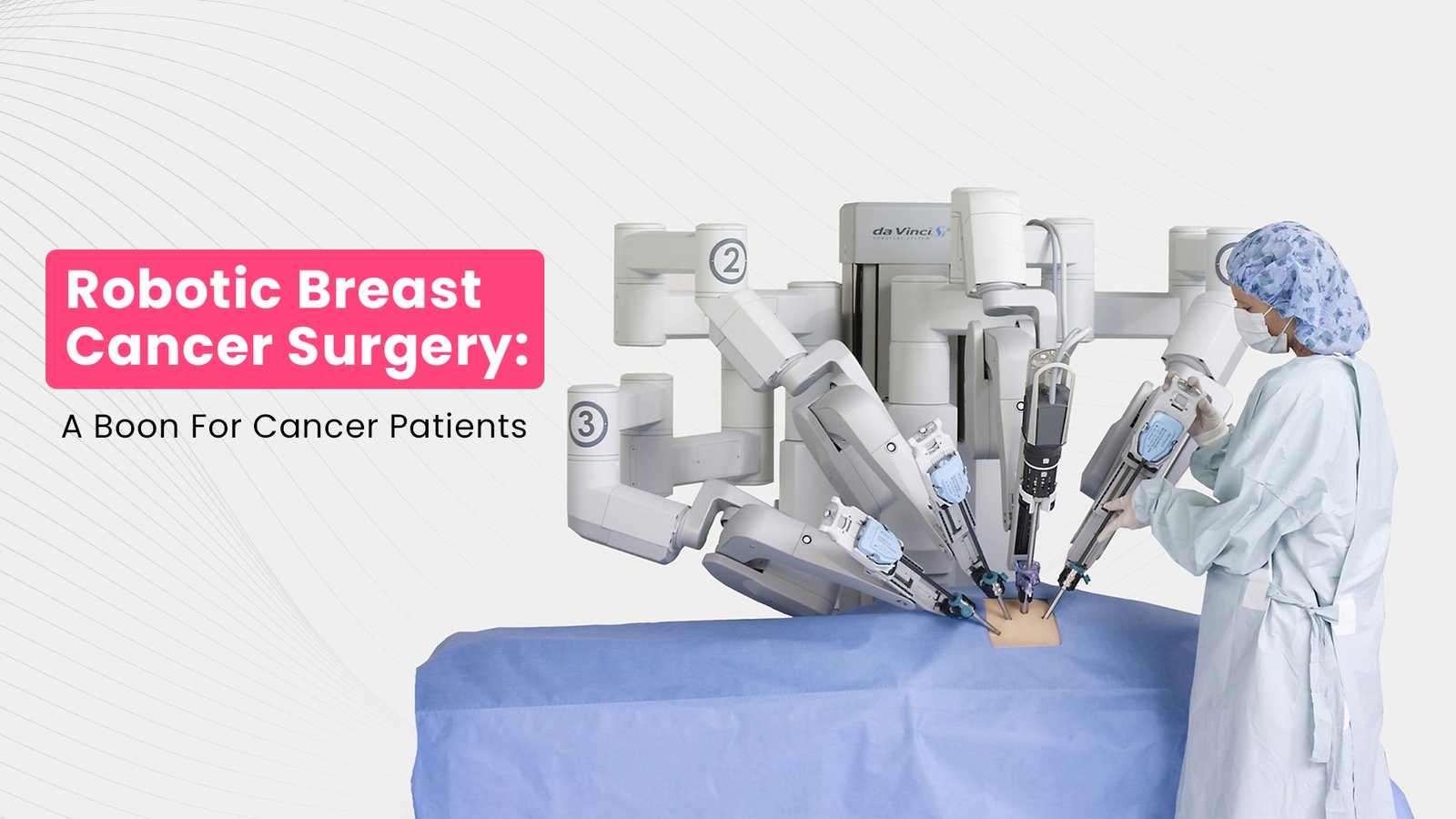
Chemotherapy: This involves the use of drugs to kill cancer cells. Chemotherapy is typically given after surgery to destroy any remaining cancer cells and reduce the risk of recurrence. In stage 3, chemotherapy is given before surgery to shrink the tumour and make it easier to remove.
Targeted therapy: This involves the use of drugs that target specific molecules involved in the growth and spread of cancer cells. Targeted therapy may be used in combination with chemotherapy or on its own, depending on the specific characteristics of the tumour.
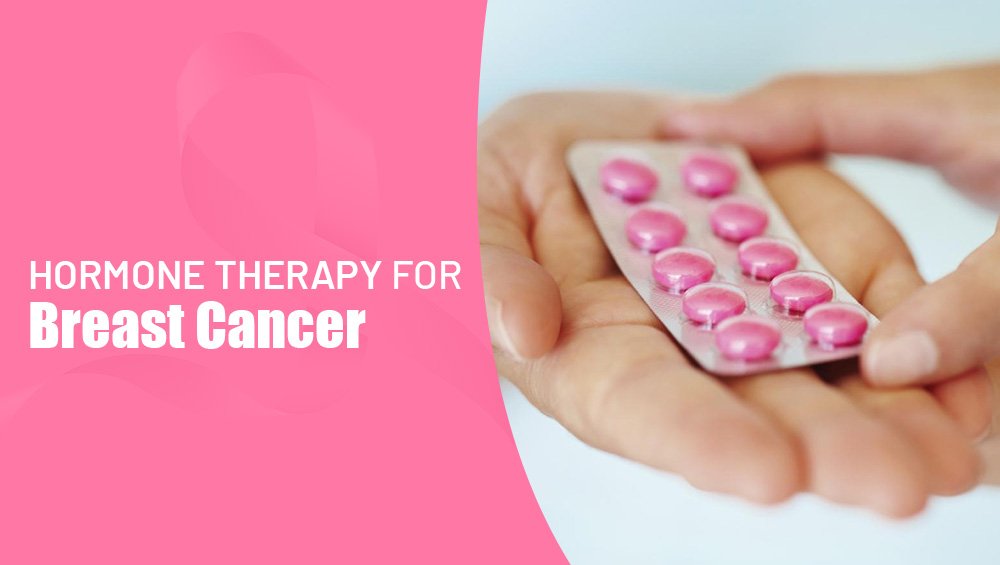
Hormone therapy: If the tumour is hormone receptor-positive, hormone therapy may be used to block the effects of estrogen or progesterone on the cancer cells. Hormone therapy may be used in combination with other treatments or on its own.
Immunotherapy: This is a newer form of treatment that uses drugs to help the patient’s own immune system to recognize and attack cancer cells.
Conclusion
In conclusion, stage 3 breast cancer is an advanced stage of breast cancer where cancer has spread beyond the breast to nearby lymph nodes, muscles, or skin, but has not spread to distant organs. Treatment for stage 3 breast cancer may be complex and may involve several different types of treatment. It is important for patients to work closely with their healthcare team to develop an individualized treatment plan that takes into account their specific needs and preferences. Early detection, personalized treatment, and follow-up care can all improve the chances of survival and long-term health for women with stage 3 breast cancer.