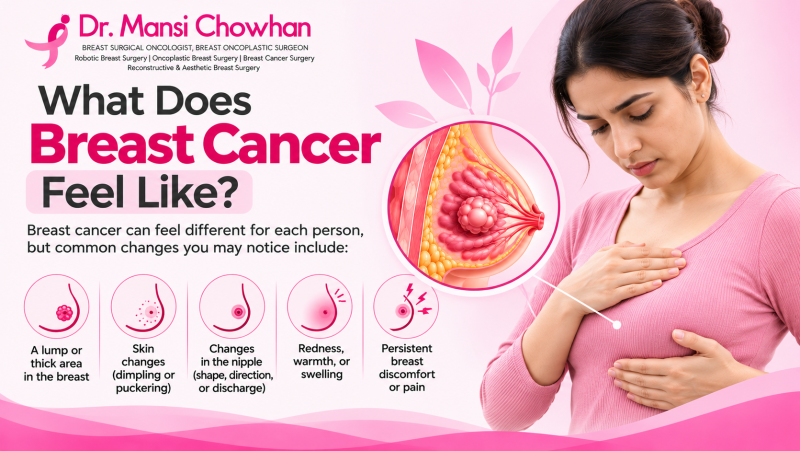
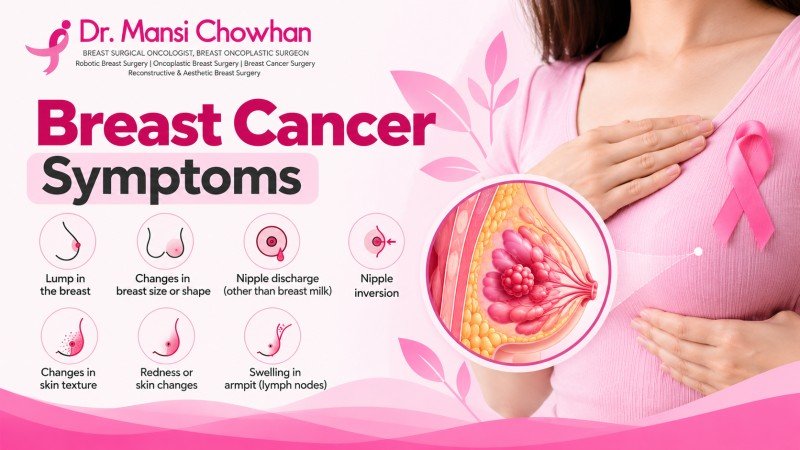
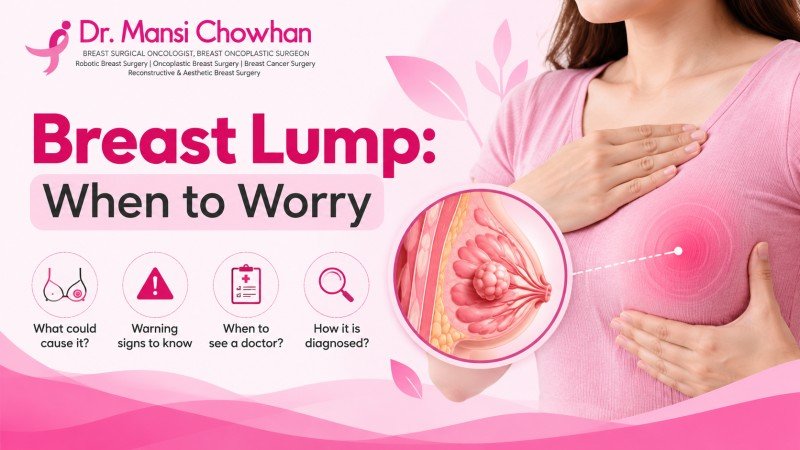



Breast cancer often feels like a distinct, firm, or hard lump or thickened area that feels noticeably different from the rest of your breast tissue. However, there is no single feel that applies to every case—many breast cancers are painless, some are too small to feel by touch at first, and others cause changes in skin texture or shape rather than a clear lump.
Why Do Breasts Feel Heavy and Swollen?
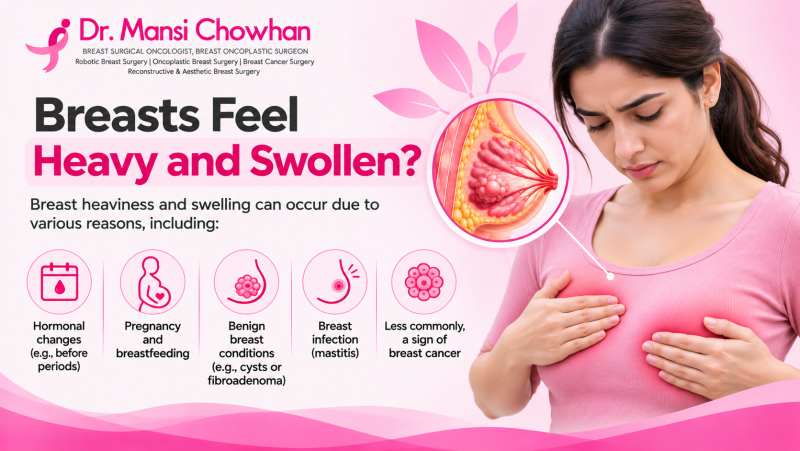
There are several reasons why breasts may feel fuller, heavier, or tender. The cause often depends on a woman's age, menstrual cycle, pregnancy status, and other symptoms.
1. Hormonal Changes Before Periods
Many women experience heaviness in their breasts before periods. This is caused by changes in hormones, leading to the breasts holding on to more fluid, hence becoming tender.
The breasts become larger and may feel tight or painful. This may radiate up to the armpit area. This condition improves after the onset of the period.
2. Pregnancy
Breast changes may start to occur even in the early stages of pregnancy. Changes in hormones make sure that the breasts are ready to produce milk, making them feel heavy, swollen, or tender.
The breasts will appear larger, and the nipples or the area around the nipples may appear darker.
3. Breastfeeding
The breasts tend to feel extremely full when the milk starts building up faster than the process of draining. The term used to describe such a condition is called breast engorgement.
This can cause the breasts to become hard, tight, heavy, and painful. Breastfeeding support services can help address feeding problems and milk engorgement issues.
4. Breast Infection (Mastitis)
Mastitis is the term used to describe inflammation of the breast tissues. This condition usually affects breastfeeding women, although it may also affect non-breastfeeding women.
There might be swelling, heat, pain, or tenderness felt by the patient. The skin will appear redder than normal or have a darker color. Fever and flu-like symptoms may accompany these signs.
Mastitis must receive medical attention, especially when worsening or accompanied by fever.
5. Breast Cysts and Other Benign Conditions
Breast cysts are fluid-filled sacs in the breast. They can result in the formation of a lump, pain, or fullness in the breast.
The fibrocystic changes in the breast may lead to the development of swelling, lumps, or soreness in the breast.
6. Medicines and Hormone Treatment
Some medicines can lead to breast soreness or breast enlargement. These can include oral contraceptives, hormone replacement therapy, or other medicines.
If there is any change in the breast after taking the medication, speak to your physician about it. Don’t stop the medication on your own.
7. Poorly Fitting Bra or Physical Strain
A bra that doesn't give enough support may lead to an uncomfortable situation, especially for those women who have larger breasts. Injury or strain on the chest, shoulder, and back may be mistaken for breast pain, too.
These are some reasons for pain in the breasts, but you shouldn't ignore new swellings.
Can Heavy and Swollen Breasts Be a Sign of Breast Cancer?
Yes, breast swelling can sometimes be a sign of breast cancer. However, heaviness alone is not usually enough to suggest cancer. Hormonal changes, pregnancy, breastfeeding and benign breast conditions are more common causes.
The concern is greater when swelling is new, does not settle or comes with other changes, such as:
- One breast becoming noticeably larger or swollen.
- A new lump or thick area in the breast.
- Skin that looks dimpled or similar to orange peel.
- Redness, darkening or thickening of the breast skin.
- A nipple that suddenly turns inward.
- Unusual nipple discharge, especially blood-stained fluid.
- Swelling or a lump near the armpit.
A woman does not need to have all these symptoms. Even one new or unusual change should be discussed with a doctor.
What Is Inflammatory Breast Cancer?
Inflammatory breast cancer is a rare form of breast cancer. Inflammatory breast cancer is different from other forms of breast cancer, as it does not cause any palpable lump in most cases.
The symptoms of inflammatory breast cancer include inflammation, swelling, heaviness, warmth, reddening, and darkening of the breast, along with an increase in size within a short time period. There may also be a dimpling effect on the skin.
Such symptoms resemble those of a breast infection. But if there is no improvement in symptoms even after treatment of a breast infection, it is very necessary to investigate further.
Do not wait for the formation of a lump before seeking medical help for your breasts.
When Should You See a Breast Specialist?
Breast swelling that happens before a period and settles afterwards is often linked to hormonal changes. But a new change should not automatically be blamed on hormones.
Arrange a medical examination if:
- One breast becomes swollen without an obvious reason.
- Swelling continues or keeps returning.
- You notice a new lump or thick area.
- The skin becomes dimpled, thick or changes colour.
- The nipple changes shape or develops unusual discharge.
- Breast pain or heaviness is not improving.
Seek prompt medical attention if the breast becomes hot, red and painful, especially when accompanied by fever, chills or feeling unwell. These symptoms may indicate an infection that needs treatment.
How Do Doctors Find the Cause of Breast Swelling?
The doctor will ask about the timing of the swelling, whether it is unilateral or bilateral, and whether it varies with the menstrual cycle. Other details, such as pregnancy status, lactation, medications, and other symptoms, are also useful.
The examination and tests depend on what the doctor finds.
Clinical breast examination: This entails physical palpation of the breasts, nipples, and armpits to feel for any lumps, inflammation, swelling, tenderness, and skin changes.
Breast ultrasound: This involves the use of sound waves to image the breast tissue to detect cysts, lumps, and inflammation in the breast tissue.
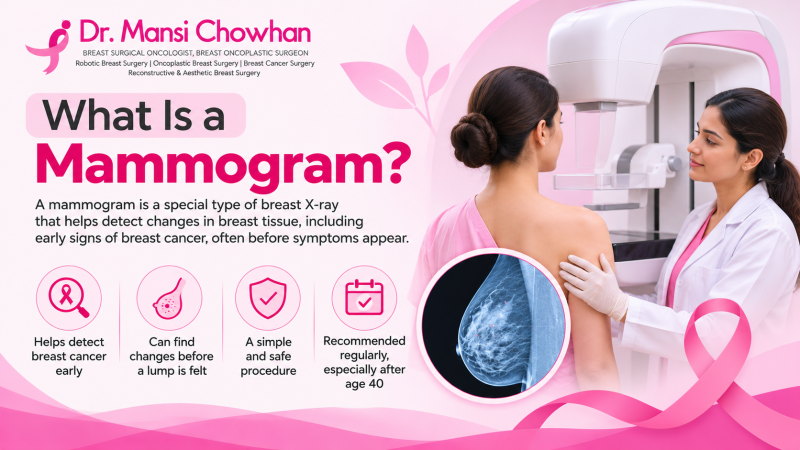
Mammography: A mammogram utilizes low-level X-rays to determine any irregularities in the breast tissues. Whether this diagnostic tool should be used depends on age and symptoms.
Biopsy: When there are suspicious areas identified from imaging tests, a biopsy test will be done in which a portion of the suspected area will be removed and examined microscopically.
Not every woman with breast swelling needs all these tests. The doctor recommends them according to the symptoms and examination findings.
What Can Help Relieve Breast Heaviness?
If the swelling has something to do with your menstrual period or any other benign reasons, you might try some easy tricks to relieve your symptoms.
- Start by wearing an appropriately fitting bra for support.
- If you feel tenderness or pain in your breasts, apply cold compresses.
- Don’t perform actions that apply pressure to the affected area.
- Notice the time of day the swelling occurs, especially if there is a relationship to your menstrual cycle.
- If you are nursing, look for assistance with nursing and breast pumping if you have overfull breasts.
Medications for pain relief may help some women, depending on many factors including pregnancy, nursing, other diseases, and medications you may be taking. Consult your doctor or pharmacist about their usage.
This will ease your discomfort but does not substitute for medical consultation in case of unusual or persistent swelling.
Breast Evaluation and Surgical Care with Dr. Mansi Chowhan
Persistent breast heaviness, swelling, or an unusual breast change deserves proper evaluation to identify its underlying cause. Dr. Mansi Chowhan, Breast Oncoplastic Surgeon, provides specialised breast assessment and surgical care, with recommendations based on individual symptoms, examination findings, and diagnostic results.
Her breast surgery services include Breast Lump Excision, Breast Conservation Surgery, Radio-Guided Breast Surgery, Therapeutic Mammoplasty, Modified Radical Mastectomy, and Breast Reconstruction. The appropriate procedure, if required, depends on the diagnosis and individual treatment needs.
Related Treatments
- Breast Lump Excision
- Breast Conservation Surgery
- Radio-Guided Breast Surgery
- Therapeutic Mammoplasty
- Modified Radical Mastectomy
- Breast Reconstruction
Conclusion
Breasts that feel heavy and swollen are often affected by hormonal changes, pregnancy, breastfeeding or benign breast conditions. The timing and other symptoms can help explain the cause. However, swelling in one breast, a new lump, skin dimpling or nipple changes should be checked rather than ignored. Dr. Mansi Chowhan, an experienced oncoplastic breast surgeon with over 15 years of experience, evaluates breast changes and helps patients understand which tests or treatment may be needed.
Frequently Asked Questions
1. Why are my breasts feeling heavy before my period?
This is due to hormonal changes that occur throughout the menstrual cycle. Breast swelling and tenderness are common symptoms before the period starts. The symptoms improve after the period begins or ends.
2. Can heavy breasts be considered an early pregnancy symptom?
Absolutely. Breast fullness, heaviness, and tenderness could be signs of early pregnancy. But these symptoms cannot serve as pregnancy confirmation.
3. Why do I have only one swollen breast?
It can be caused by the formation of a cyst, infection or any other breast-related problem. If you experience a sudden enlargement or heaviness of one breast, then you need to see your doctor immediately.
4. Can there be swelling without lumping the breast?
Yes. Some hormonal changes, pregnancy, breastfeeding, some breast problems, and some types of breast cancer can cause swelling without a lump. Some of the breast cancers can lead to swelling without a lump as well.
5. What is the duration of breast swelling?
It varies depending on the underlying problem. Breast swelling before menstruation generally resolves with the onset or end of the period. Swelling due to pregnancy will persist until the pregnancy ends, and similarly, swelling due to breastfeeding will resolve when the milk is expressed.
6. Does breast heaviness indicate breast cancer?
No. Heaviness in the breast occurs mostly due to hormonal imbalances and other benign causes. However, you should see a breast specialist if you have a new lump, changes in the skin and the nipples, along with the heaviness.